Play & Nature
Waldorf & Nature Education
Jan 30, 2026
Waldorf Education & the Nature Connection: A perspective from the Waldorf School of Philadelphia
The Children and Nature Network, a grassroots organization promoting time in nature for children, has over 300 research reports in their synthesized collection touting the benefits of giving children ample time outdoors. Benefits include better physical and mental health, better cognition and even better test scores.
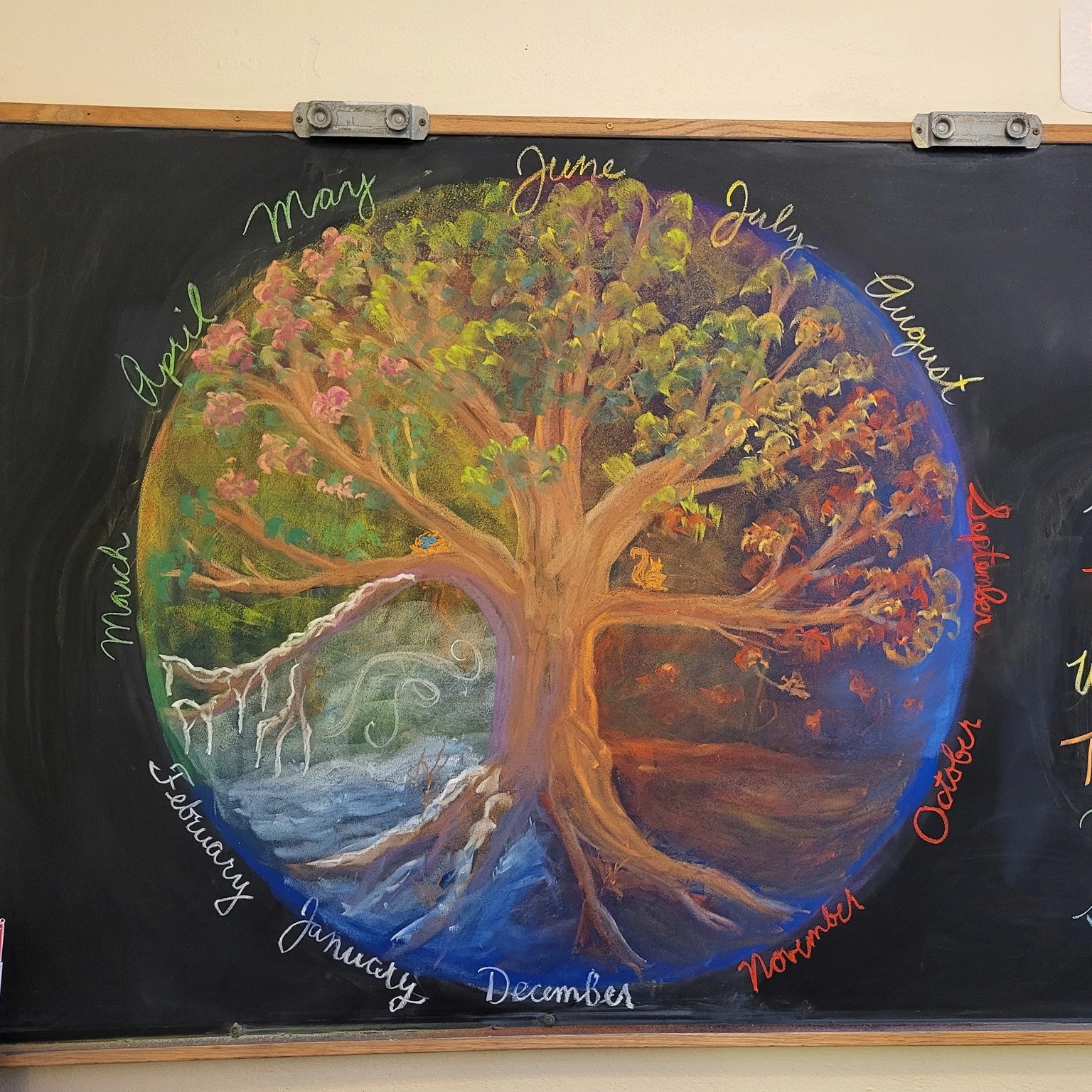
In Waldorf Education, the nature connection is also about showing children the natural rhythms of life and revealing our kinship with all living things. It is about careful observation to see what the natural world has to teach. And finally, it is about stewardship and understanding our place as humans collectively, and as individuals, who care take the natural realm.
What does it look like to cultivate a nature connection in Waldorf curriculum? There are the obvious hallmarks - school gardens, multiple outdoor recess times and science classes outdoors -- but each age group of students connects in a special way with nature according to their developmental needs and their curriculum.
Early Childhood
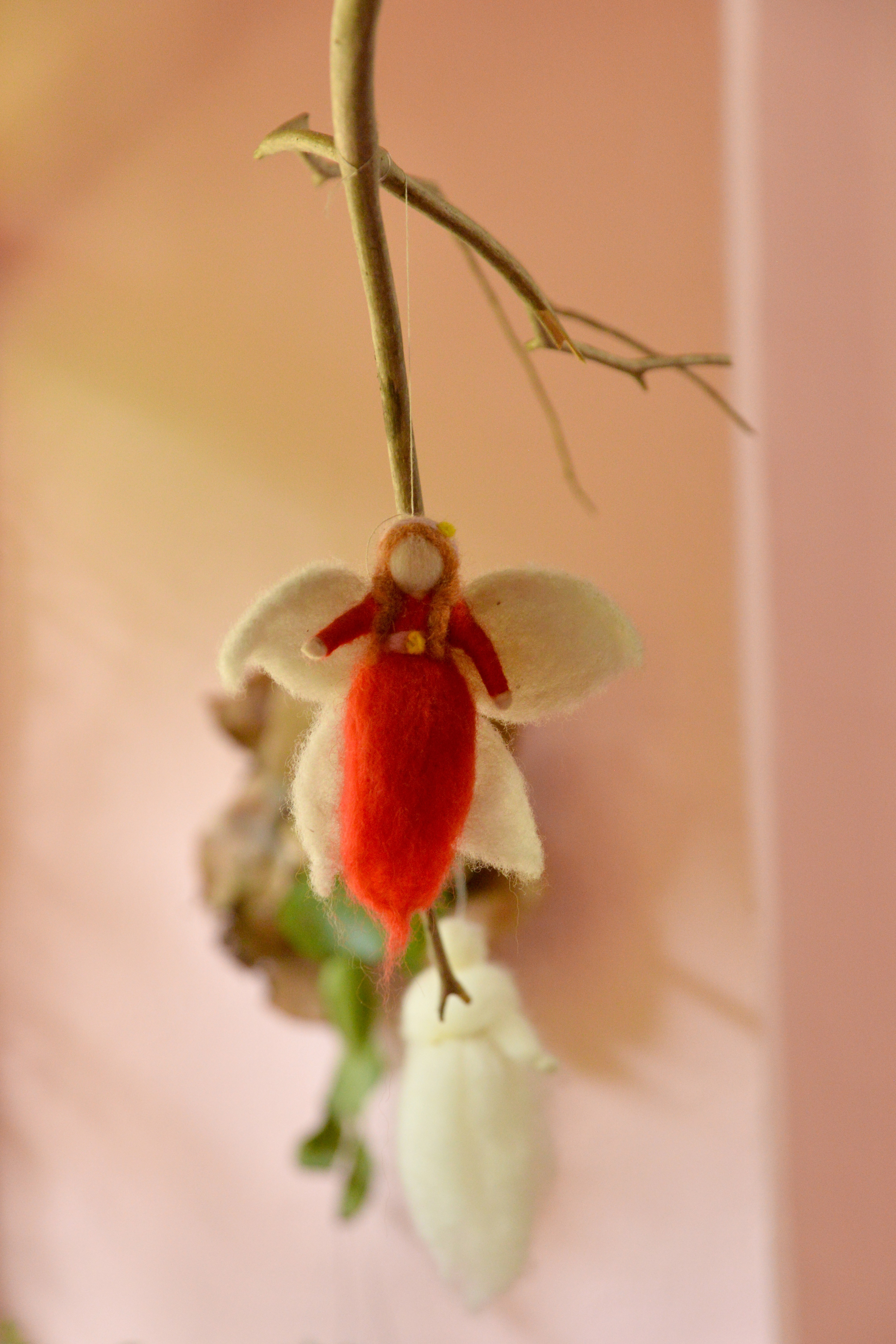
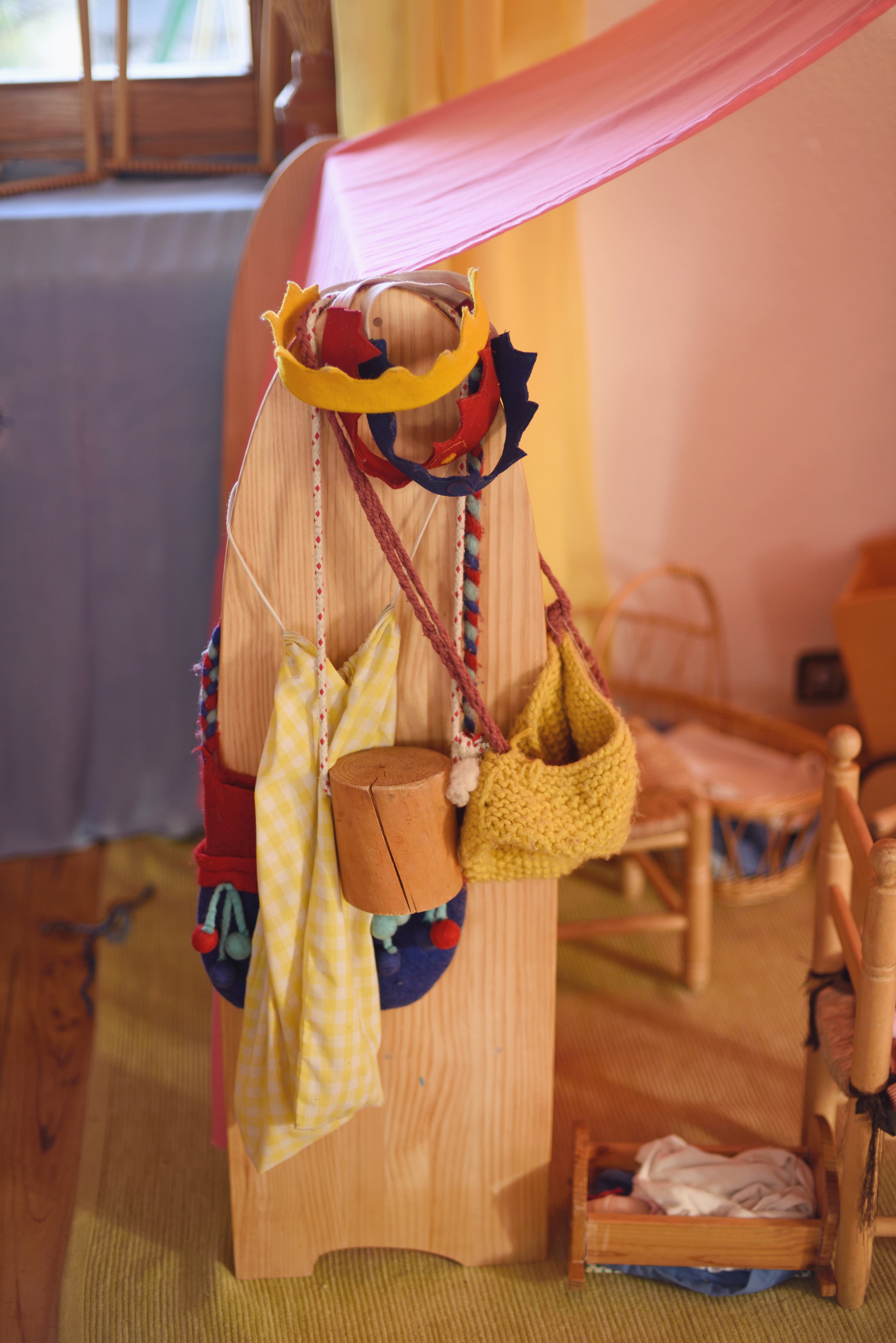
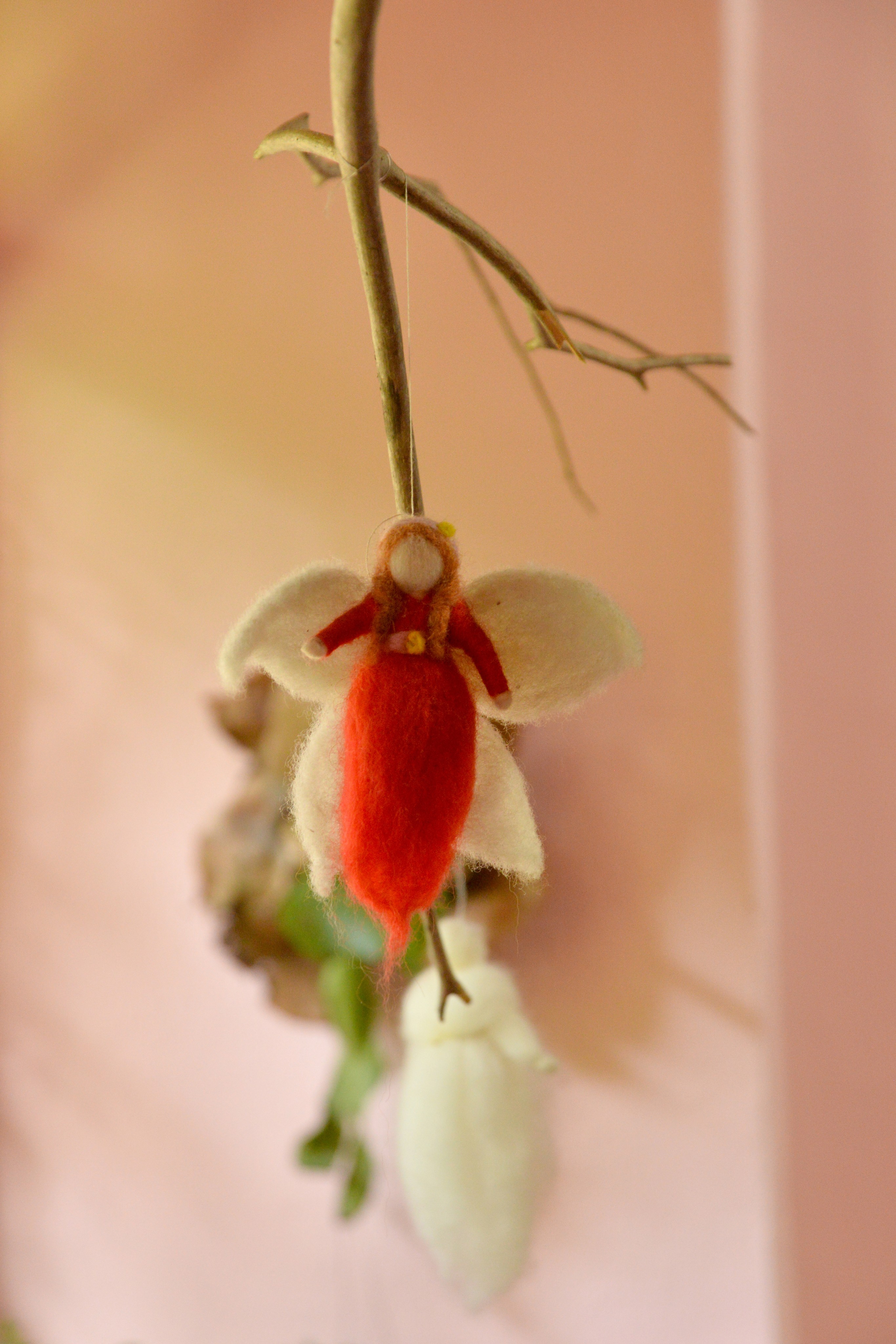
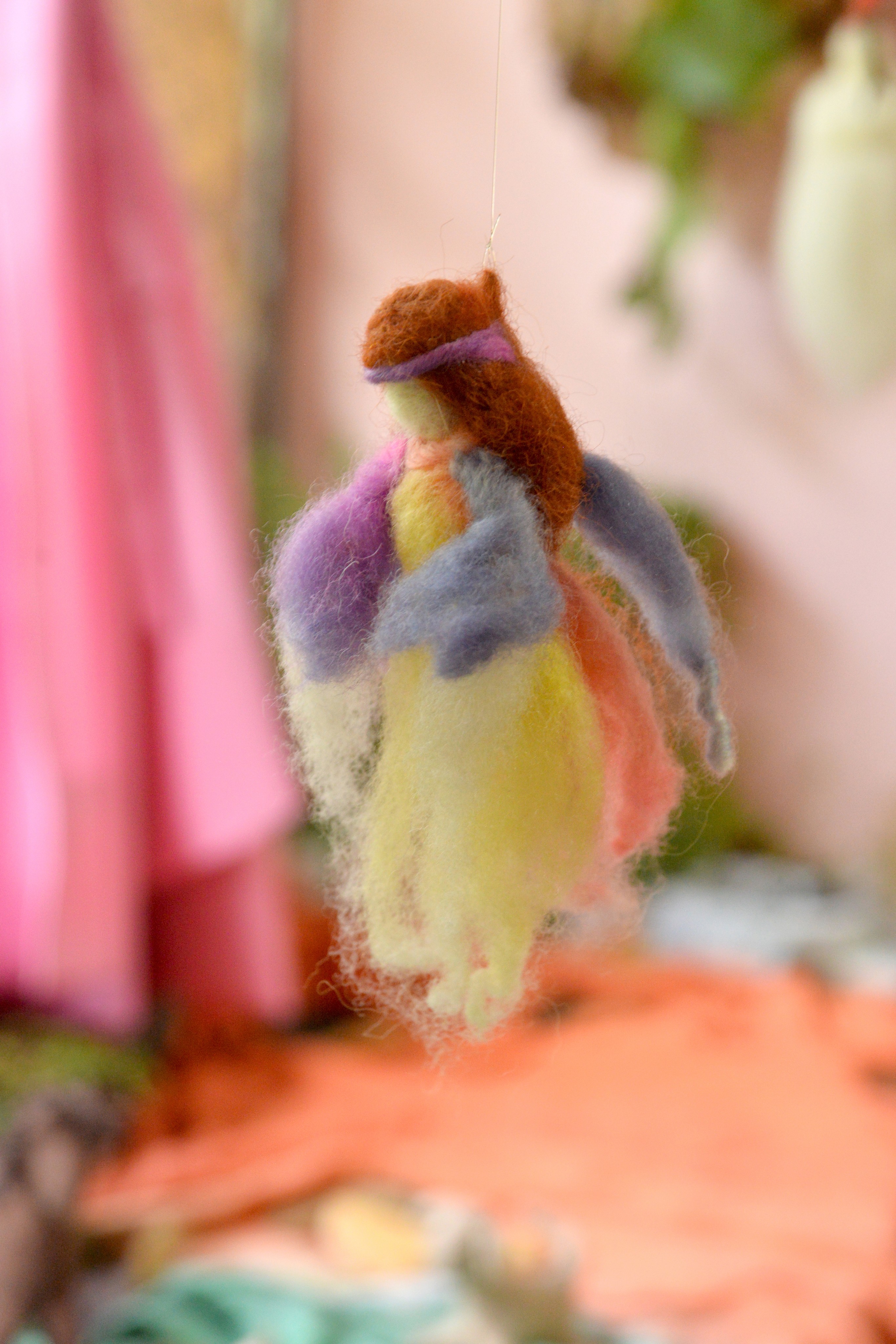
Young children are the center of their own universe, and this universe is one and the same with their sense of self. As such, they can be seen as selfish by some, but they are truly connected to all things, people, animals and nature in a deep and unique way. Waldorf educators do not try to prematurely bring a child out of this magical world and into greater awareness, but instead work with this consciousness to nurture a reverence and interest for nature.This is done by having children play within nature and also with natural materials while indoors. Both the indoor and outdoor play experiences are designed intentionally to be rich with natural beauty and wonder. In this way, direct experiences of nature are constant in Waldorf early childhood.Children play outside, in natural vs. playground settings, in all weather and all seasons. Outside the classroom, children are encouraged to climb trees, play in gardens and creeks, and manipulate items like logs and mud. Inside the classroom, all natural materials are used for furnishings and toys, including wood, stone, pottery, cotton and silks. A nature table is on display at all times in all classrooms, representing the seasons inside with collections of nature’s offering for that particular season.
Elementary School
Around age nine, after children have experienced a shift into Piaget’s concrete operational mode of being, students develop a sense of self that is separate from the world around them. Once students sense their own separation from the world, they can begin to study the things around them, including nature, in an imaginative and observational way.As students begin engaging with their surroundings and cultivating a new interest in the practical, material and natural world, Waldorf Education works to balance this observation of the outside world with an interest in the great outdoors.While elementary students still play outdoors regularly, they shift now to also learning in and from nature with lessons about farming, gardening, animal studies, and earth science. At this age, open minded observation is key, as it paves the way for the next developmental shift when observation leads to inquiry.
Originally published with the Waldorf School of Philadelphia: https://phillywaldorf.com/blog/waldorf-education-nature-connection